
The Cotting-Smith Assembly House is a historic clubhouse on Federal Street in Salem, Massachusetts.
Built in 1782, it is a two-story Adamesque Federal-style building with a slate-covered hip roof. The front of the building features wood flushboards while the sides of the building are clapboarded.
The building also features an open entrance porch supported by two fluted Ionic columns, sandstone steps with cast iron newels, a cast iron fence, and two brick chimneys. Attached to the main block is a two-story ell. The property also features a large, two-story pitch room, and a wooden carriage house with three double doors.
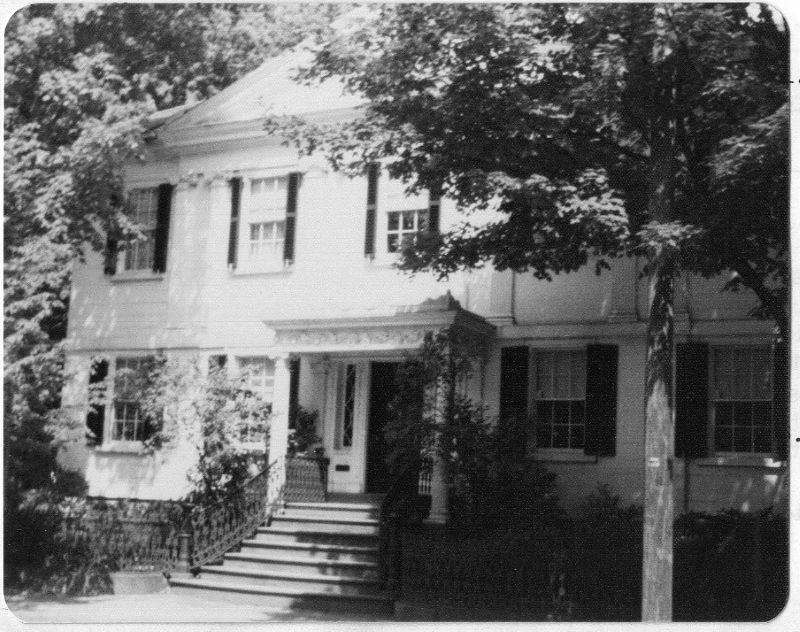
The assembly house was constructed for use as a public hall to house balls, dances, concerts, lectures, and other social events. The construction was funded by 20 individuals who each held shares in the building.
The hall has been host to a number of notable guests. In 1784, General Marquis de Lafayette was entertained at an event at the assembly house. On October 29, 1789, General George Washington attended a ball held at the hall in his honor.
In 1793, the owner of the land that the building was constructed on, Daniel Mackey, was forced to sell the lot to the proprietors of the hall.
In 1797, Jonathan Waldo purchased the building and then sold it the following year to Samuel Putnam for $2,656.
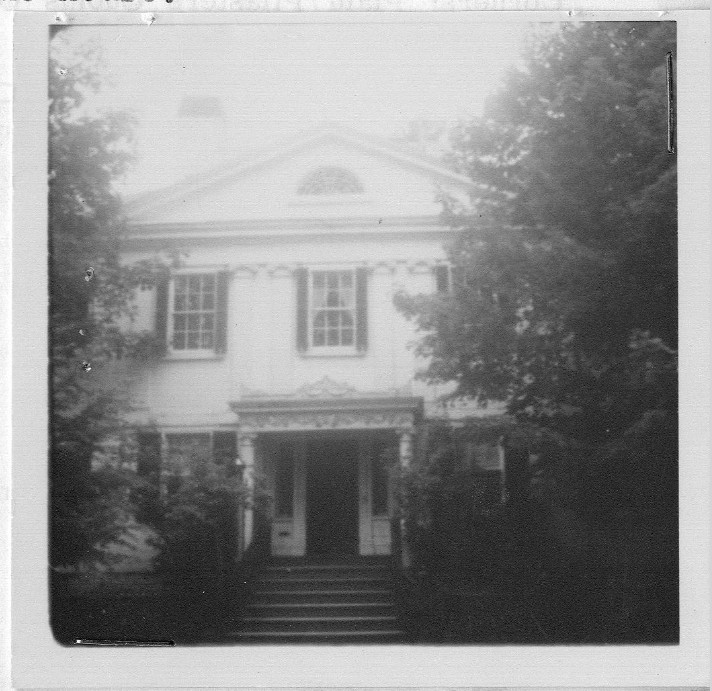
In 1797-98, the building was remodeled for use as a residence in the Federal style according to the designs of Samuel McIntire. McIntire embellished the front of the building with four pairs of Ionic pilasters, a central pediment, a deck balustrade, and a front door decorated with rosettes and bellflowers.
In 1833, Putnam sold the building to Benjamin Porter Chamberlain for $4,200. Chamberlain owned the building for over 20 years but eventually sold it to Anne A. Chase for $9,500 in 1856.
After Chase died in 1878, the building passed to her brother Sylvester C. Robinson. After Robinson’s death in 1883, Mary Anne Bertram purchased the building for $7,000.
When Bertram died in 1903, the house passed to her daughter Jennie M. Emmerton. Caroline Emmerton later inherited the house in 1912 and leased it out for seven years. In 1919, Joseph Newton Smith bought the house.
In 1926, the Smith family temporarily opened the house to the public as part of a special tour of private houses in Salem for the town’s tercentenary celebrations during the Fourth of July weekend.
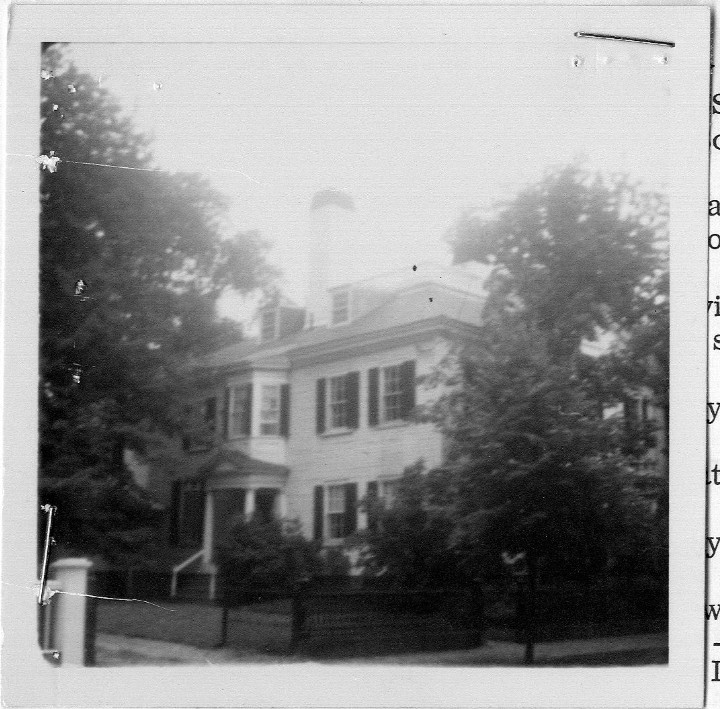
The house remained in the Smith family until 1965, when Mary Silver Smith donated the house to the Essex Institute (which later became the Peabody Essex Museum.) The house is still owned by the Peabody Essex Museum but is not open to the public for tours.
The house is currently the only surviving example of McIntire’s pavilion-front facade.
Sources:
“Historic Building Detail: SAL.1573 Assembly House.” MACRIS, mhc-macris.net/details?mhcid=SAL.1573
“Salem Will Open Historic Homes.” The Boston Herald, 14 Mar. 1926, p. 14.
“Salem Mansion Open to Public.” The Boston Globe, 21 Mar. 1926, p. 110.
“I Miss the Assembly House.”Streets of Salem, streetsofsalem.com/2019/01/22/i-miss-the-assembly-house/