
The Peabody Essex Museum in Salem, Massachusetts, has an artifact in its collection that is rumored to be the skull of the notorious pirate Blackbeard.
The museum obtained the skull from the family of New England historian Edward R. Snow after his death in 1982. Snow had originally obtained the skull sometime in the 1950s, stating that he found it on display on the mantle of a historic pub in Virginia.
During the 1950s, Snow displayed the skull in his traveling museum, along with other pirate artifacts like Captain Kidd’s handcuffs and Tom Tew’s pistol. He would frequently bring the traveling museum to local schools and teach children about the history of these infamous pirates.
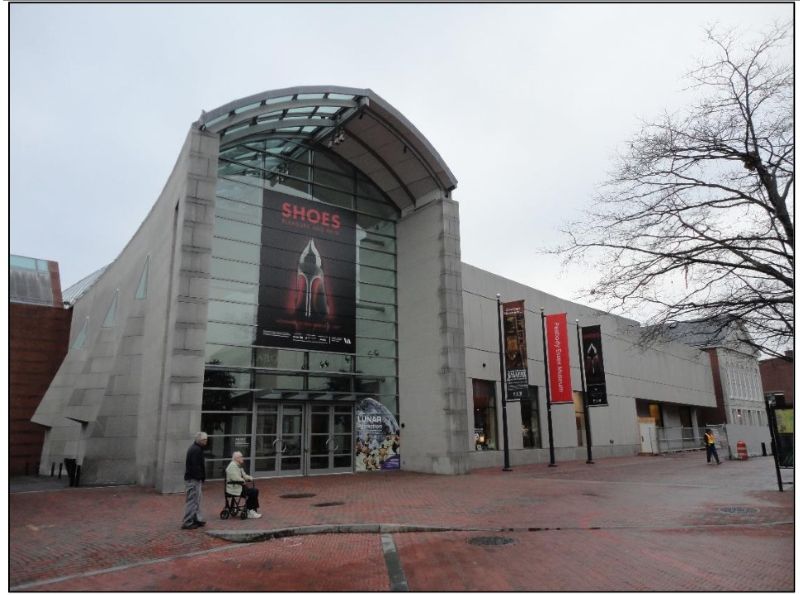
When the Peabody Essex Museum obtained the skull, the acquisition wasn’t well publicized, and the skull was later believed to have been lost until a Virginia Commonwealth University researcher, Gregg Cina, rediscovered it in the museum’s archives in the 1990s.
After its rediscovery, the Peabody Essex Museum lent the skull out for the “Under the Black Flag: Life Among the Pirates” exhibit at the Mariners Museum in Virginia in 1997 (“Return of the Legendary Skull,” 1997).
A 1997 news report in the Daily Press described the skull as stained and greenish-colored and said it bore the marks of what appeared to be discolored silver plating.
A retired Newport News physician examined the skull at the time and confirmed that it was the skull of a white male. An unnamed volunteer at the museum also stated that the skull had a scar of a wound that never had the chance to heal.
The museum officials said the identity of the skull could not be proven, since identifying characteristics found in the jaw area were missing.
After the exhibit closed in 1998, the skull was returned to the Peabody Essex Museum, where it remains in storage.
According to various sources, Blackbeard, whose real name was Edward Teach, was killed on November 22, 1718, during a battle against British Royal Navy Forces, led by Lieutenant Robert Maynard, at Ocracoke Island, North Carolina.
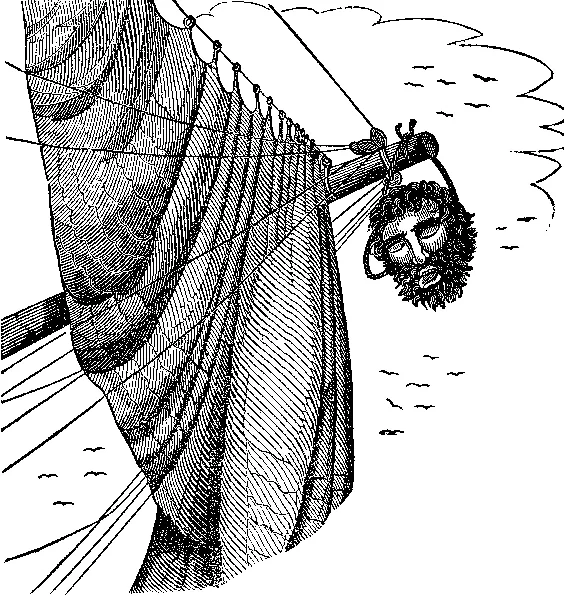
After he was killed, Maynard said he cut off Blackbeard’s head and attached it to the bowsprit of Maynard’s ship in order to carry it to Virginia Governor Alexander Spotswood, who had sent Maynard to kill Blackbeard (Dolin).
According to legend, Blackbeard’s head was eventually taken down, and the top half of his skull was turned into a punch bowl and “enlarged with silver, or silver plated” and was used for a time at one of the taverns in Williamsburg, where Snow reportedly found it in the 1950s (Dolin).
Sources:
Goodwin, Maud Wilder. The Colonial Cavalier. Little, Brown and Company, 1895.
“Thacher News.” The Attleboro Sun, 15 Jan. 1954, p. 6.
“The Vengeful Sea Feature of Arlington’s Book Fair.” The Arlington News, 25 Oct. 1956, p. 4.
“Special Events Planned for Initial Book Fair.” Arlington Advocate, 25 Oct. 1956, p. 10.
“Ahoy! Skull May Be That of Blackbeard the Pirate.” The Deseret News, 1 Sept. 1997, p. 25.
“Return of the Legendary Skull.” Daily Press, 17 Aug. 1997, dailypress.com/1997/08/12/return-of-the-legendary-skull/
“No One Knows for Sure if the Skull was Blackbeard’s.” Virginian-Pilot, 3 Oct. 2000, pilotonline.com/2000/03/10/no-one-knows-for-sure-if-skull-was-blackbeards/
Scheible, Sue. “Friends will celebrate Edward Rowe Snow’s birthday on Georges Island on Sunday.” The Patriot Ledger, 21 Aug. 2010, patriotledger.com/story/lifestyle/2010/08/21/friends-will-celebrate-edward-rowe/40140127007/
Dolin, Eric Jay. “The Most Iconic Episode From the Life of Blackbeard Is How It Ended. Here’s How the Pirate Really Died.” Time Magazine, 21 Nov. 2018, time.com/5457008/blackbeard-death/
“Blackbeard’s Death: Off With His Head.” DNCR, dncr.nc.gov/blog/2016/11/22/blackbeards-death-his-head
“Blackbeard Edward Teach.” National Maritime Historical Society, seahistory.org/sea-history-for-kids/blackbeard-edward-teach/